
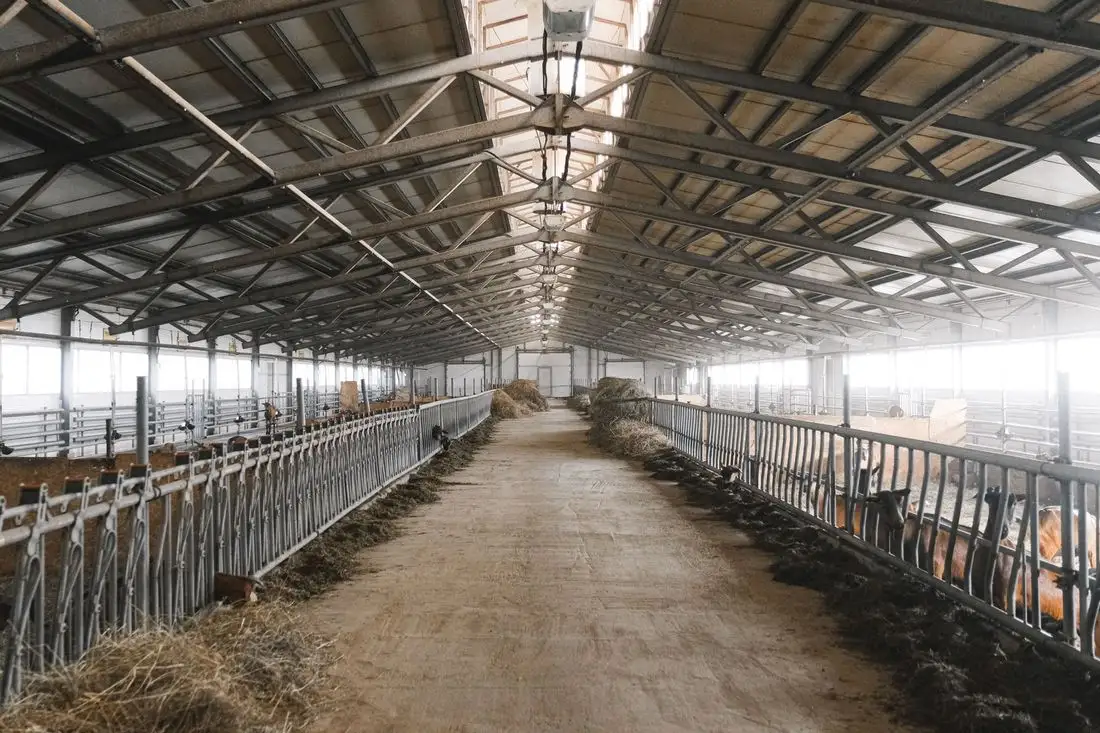
Rural Slabs and Drainage
Every working slab has to shed water. Here is how falls, bunds and drains are planned.
Water is the enemy
On a property, concrete gets wet constantly: storms, hosing down, stock water, wash water off machinery. Water left sitting on a slab breeds mud, slime and rot at the edges, and water running under the edge of a slab washes out its support. Every working slab needs a plan for where water goes.
Falls
A slab should fall to a collection point or off one edge. The fall does not need to be steep to work, but it needs to be deliberate and consistent, set out with a string line or laser before the concrete arrives.
Bunds and kerbs
A wash-down bay or chemical area usually needs a raised kerb or bund around it, so water stays on the slab until it reaches the drain. Without one, wash water simply runs off the nearest edge.
Sumps, pits and dish drains
Water collected on the slab has to go somewhere. That might be a sump or pit, a settling arrangement for silt, or a dish drain across a track. Where runoff carries oil, chemicals or effluent, check the rules for where it can be discharged before you build.
Edges
Slab edges take a beating from hooves, wheels and washing water. Thickened edges resist breaking away, and a stable, compacted surround stops the edge being undermined.
Next step
See rural and farm concreting for the jobs this covers, or ring 0489 908 651.
-
Pouring Concrete in Rockhampton Heat
What heat and wind do to fresh concrete, and why the good pours here start at first light.
-
What a Shed Slab Quote Should Cover
The line items that make two shed slab quotes comparable, so you are not just comparing totals.
-
Driveway Crossovers in Rockhampton
The strip out to the kerb belongs to council, which changes how a new driveway gets built.
Describe your job
When a patch beats a new pour, you should be told so.
- Phones answered
- Weekdays from 6:30am
- Covering
- Rockhampton and Gracemere
- Cost to you
- Nothing. The concreter quotes
- One licensed local concreter gets the job, and nobody else
- Rough size, the site and a photo is usually enough for a first figure
- Get the slab thickness, steel and finish written on the quote before you agree